For decades, the basic brewery business model seemed fairly straightforward.
Make beer.
Package it.
Put it on a truck.
Sell it to pubs and bottle shops.
But increasingly, Australian breweries are asking whether there’s a better option:
What if you own the place where the beer is poured as well?
Bright Brewery’s latest expansion provides an interesting example.
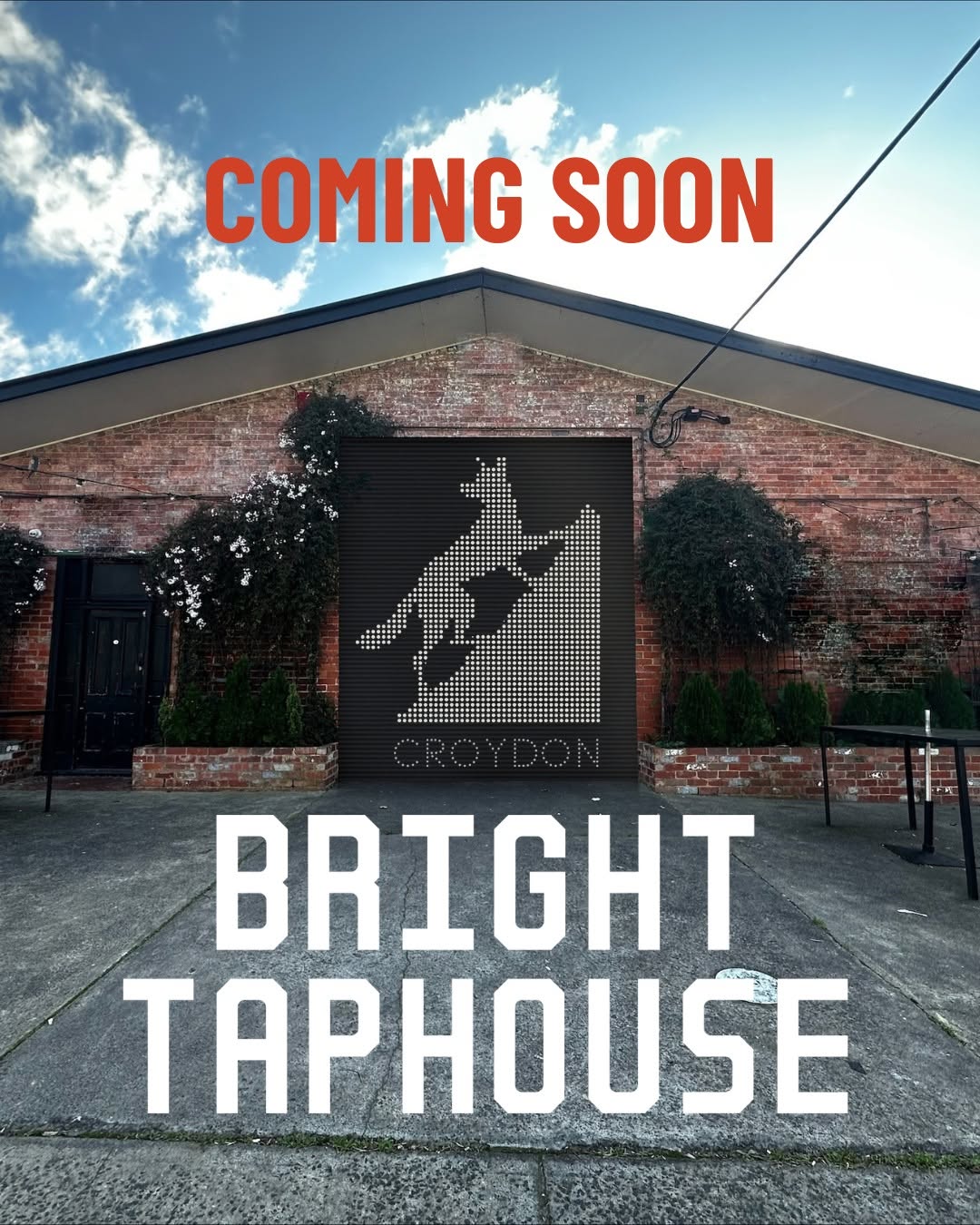
The Victorian High Country brewery has acquired Dainton’s former Croydon brewpub and plans to reopen the site as Bright Taphouse Croydon.
That’s not the end of its expansion plans either.
Bright is also working on another taphouse in Wangaratta, planned for 2027.
Together with its original brewery venue in Bright and Melbourne hospitality interests, the strategy shows how far the modern brewery business model has moved beyond simply manufacturing beer.
The problem with wholesale
Selling beer through somebody else’s pub or bottle shop gives breweries access to far more customers than they could ever serve from their own taproom.
But everybody along that chain needs to make money.
There’s packaging.
Freight.
Distribution.
Retail margins.
And for a regional brewery such as Bright, freight can be particularly significant.
By the time somebody buys the beer, the brewery receives only part of the final retail price.
Sell that beer across your own bar, however, and the economics can look very different.
The brewery isn’t merely selling beer.
It’s selling the entire hospitality experience surrounding it.
Diversification matters
There’s another important element to Bright’s strategy.
Its hometown is one of Australia’s great regional tourism destinations, but regional tourism comes with risks.
A poor ski season can reduce visitation.
Bushfires can devastate tourism even when businesses themselves aren’t directly affected.
Floods and other natural disasters can do the same.
Opening venues outside Bright spreads that risk.
Instead of relying heavily on visitors travelling to one regional destination, the brewery can take the Bright experience to customers elsewhere.
Breweries have become destinations
There’s also been a fundamental change in what consumers expect from breweries.
Twenty years ago, visiting a brewery might have meant standing beside a few stainless steel tanks while somebody handed you a sample.
Modern brewery venues can include restaurants, beer gardens, live music, events, children’s areas and extensive food programs.
They’re hospitality businesses.
And importantly, they allow breweries to develop a direct relationship with their drinkers.
A can sitting on a bottle shop shelf has to compete with hundreds of other beers.
Walk into a brewery-owned venue and you’re entering that brewery’s world.
The taps are theirs.
The branding is theirs.
The staff can tell their story.
And the experience surrounding the beer is theirs too.
Is this where brewing is heading?
Wholesale beer isn’t going anywhere.
Getting beer into pubs, clubs, restaurants and retailers remains enormously important.
But Bright’s expansion demonstrates why more breweries are looking beyond simply producing greater volumes of beer.
Growth doesn’t necessarily mean sending another thousand cartons into the wholesale market.
Sometimes it might mean opening another front door.
Bright Brewery started as a brewery in a Victorian mountain town.
Increasingly, it’s becoming something else as well:
a hospitality business that happens to make its own beer.
And that may be an increasingly important part of the future of Australian brewing.